
In March 2022, Lesia Mokrousova stood in line at the military enlistment office together with her son: both wanted to defend the capital. “Sweetheart, go home and study,” they told the young student. “But your mother — we’re taking her.”
At the time, the woman was working as a deputy director at a private ophthalmology clinic. She was sent to the Irpin military hospital — as a nurse with extensive experience in operating rooms and intensive care.
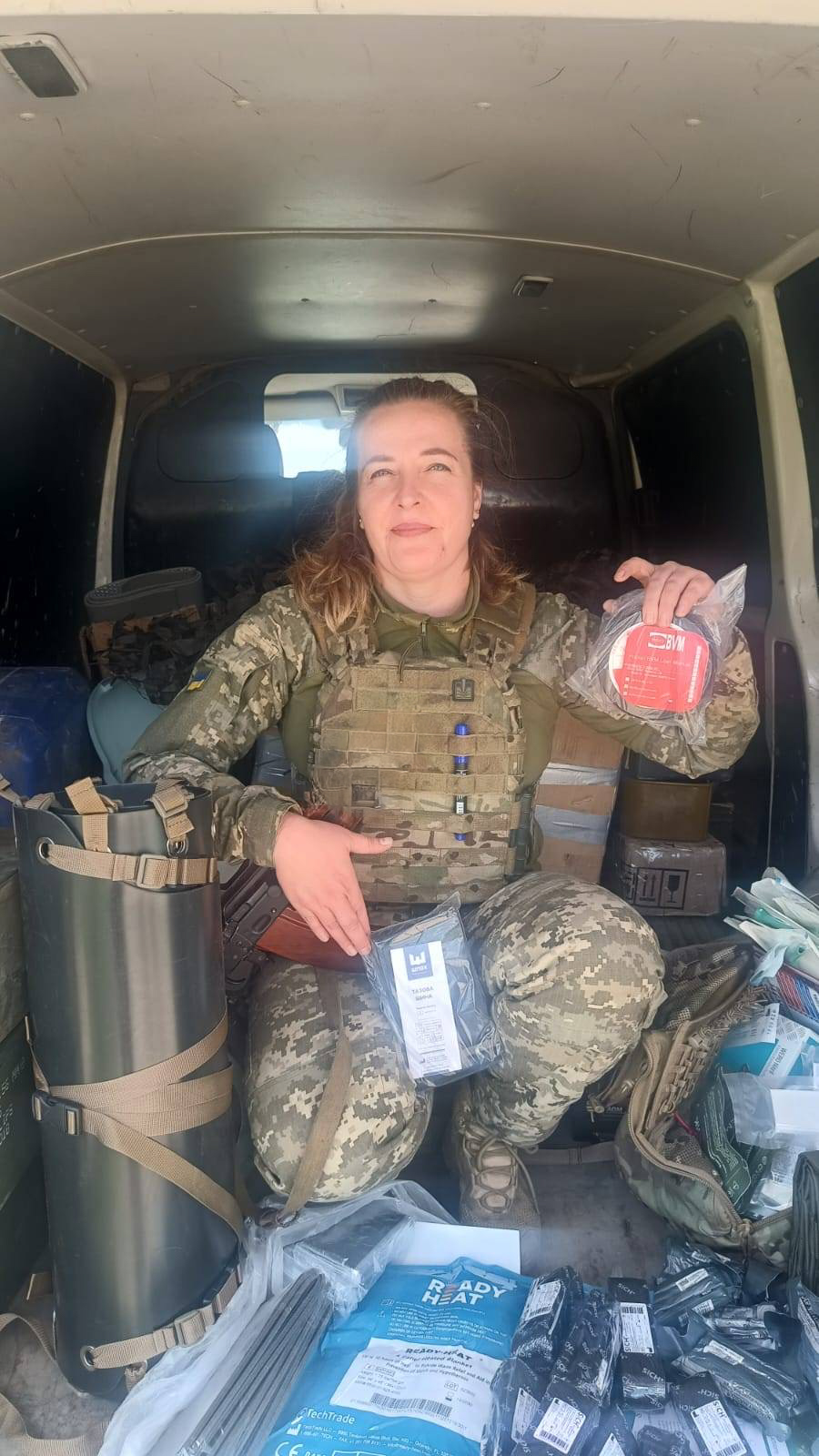
At the beginning of this year, she finally accomplished something she had long intended: she transferred to a frontline unit. And today she saves the wounded on the Lyman front as a paramedic in the medical service.
“My main task is evacuating the wounded to the stabilization point. We transport them on ATVs; we have an equipped trailer. In our sector, this is currently the most practical option. FPV drones and glide bombs are our constant companions — and our problem,” says the 44-year-old Kyiv native.
“In civilian medicine, we’re all a little bit ‘on easy mode,’ but here everything is more concrete and there’s no time for hesitation. Plus you’re constantly and very quickly learning, because all your knowledge and skills carry enormous weight,” Lesia compares. “My greatest motivation is to look at a wounded brother-in-arms who’s already through the worst, and simply think: ‘Everything was done right, friend — you’ll get to enjoy this life again.’”
Lesia is convinced that doctors from civilian medical institutions should join the work with the military closer to the frontline, at least on a rotational basis: “I’ve seen how people who returned from such assignments changed for the better. Because they felt this pain and the scale of the extraordinary effort that goes into saving a life.”
She herself admits that after her first combat mission she came to value life more: “You step outside — even in our anxious Kyiv — the sun warms you, you notice the birds singing. Because where there’s constant shelling, there are no birds.”
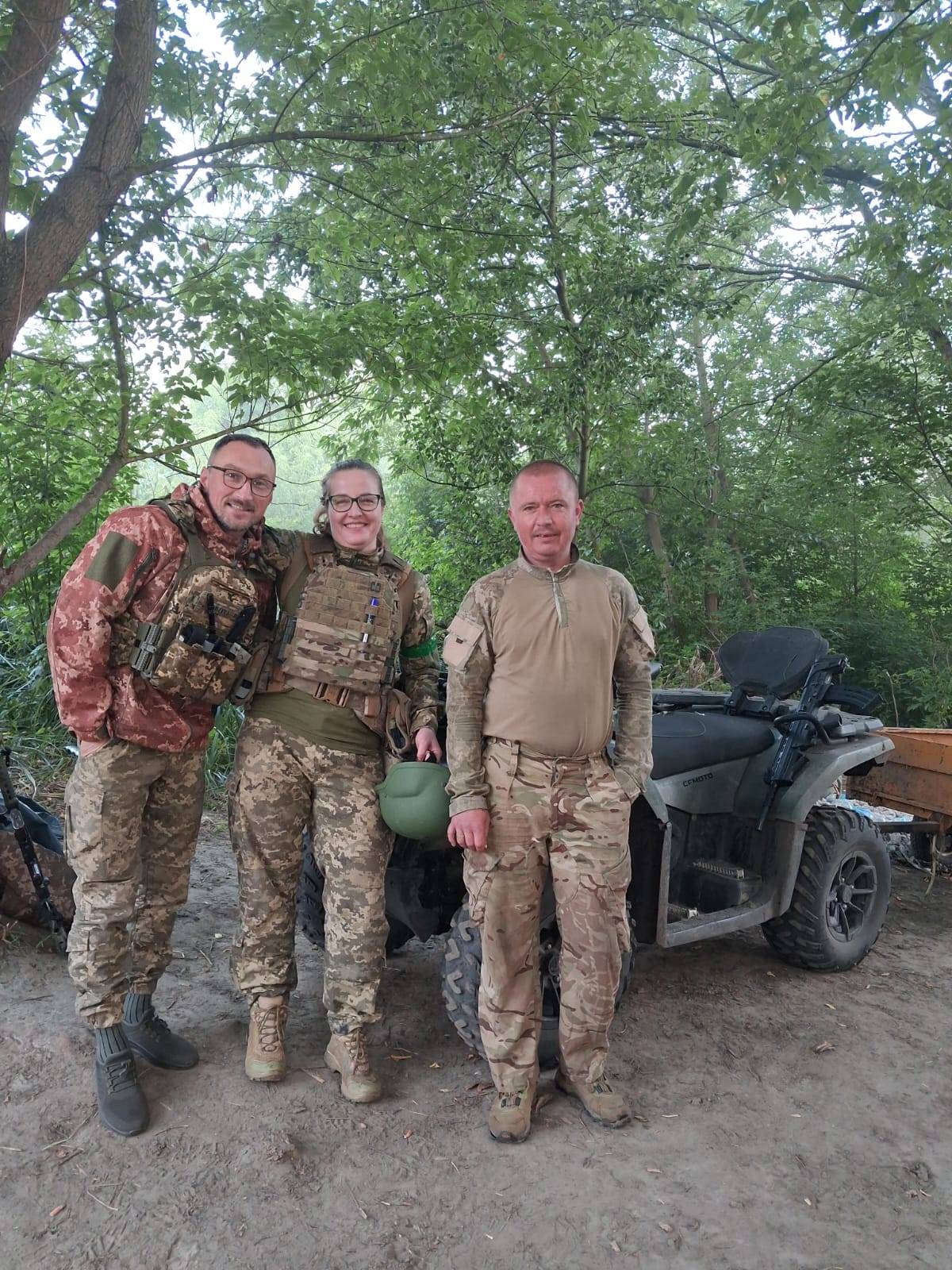
Lesia takes pride in the support of her former patients. “Many of the ‘serious’ cases from the hospital — including amputees whom I helped get back on their feet early in the full-scale war — now worry about me at the front. They write, they ask how I’m doing. When I manage to get home for a few days off, I even go for coffee with some of them. One, for example, has now volunteered to donate a vehicle for my unit,” she says.
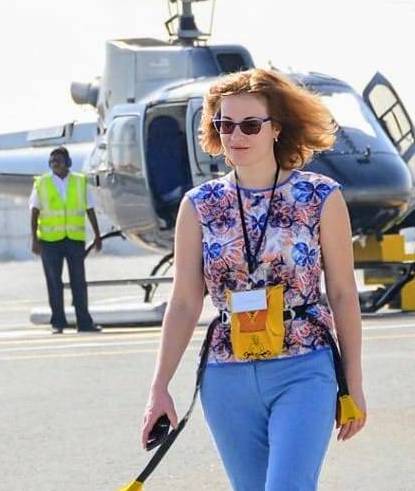
But her greatest support is family. Her parents, her son, her daughter-in-law, and now a little grandson — this is the paramedic’s personal home front. She says that every day she tries to text one of her relatives to say she’s okay. And in the packages from home, what she’s happiest about are the sweets her mother bakes with her own hands, and the printed family photographs.