
Alyona is 23, and she has spent nearly three years at Leleka`s Kyiv office. She joined as an assistant but quickly grew into the digital role and now manages all of the foundation’s online platforms — creating designs, administering the website and social media. At the same time, she is finishing her master’s degree in Nonprofit Management at the Ukrainian Catholic University. Leleka is Alyona’s first “serious” job. But it has everything that matters most to her: a connection to medicine, helping the military, and real, visible results.
Not a medic — but working for medics
Alyona thought about a future in charity work even before the full-scale invasion. Although she graduated in publishing and editing, she wanted her work to be connected to saving lives:
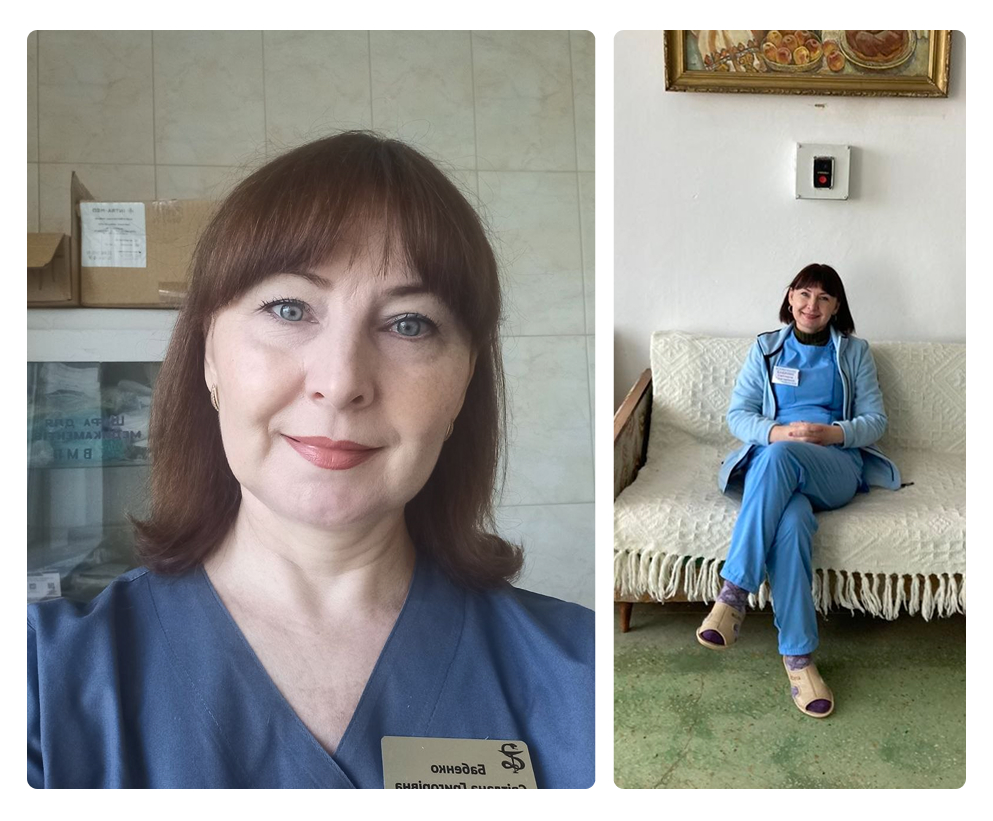
“It was my dream to work in medicine — my mom is a nurse at a hospital where she also helps soldiers. I wanted to do something similar, but without a medical degree, that’s obviously impossible,” Alyona says.
She learned about the job opening from social media. She started reading about the team’s work going back to 2014 — and realized this was exactly the place for her.
“Many of my friends my age are fighting. Some from my hometown in Vinnytsia region have already been killed. So I want to be part of what brings our victory closer. Tactical medicine, equipping medics at the front — that’s what I’ve been contributing to these past few years.”
From assistant to digital specialist
Alyona joined the foundation as an assistant to the director. She recalls with a smile that she wasn’t invited to an interview on the first try:
“But I was persistent. I flooded Iryna with Facebook messages. I wrote that I would give it one hundred percent.”
It worked: she was invited to a meeting, then to a trial period, which she passed successfully.
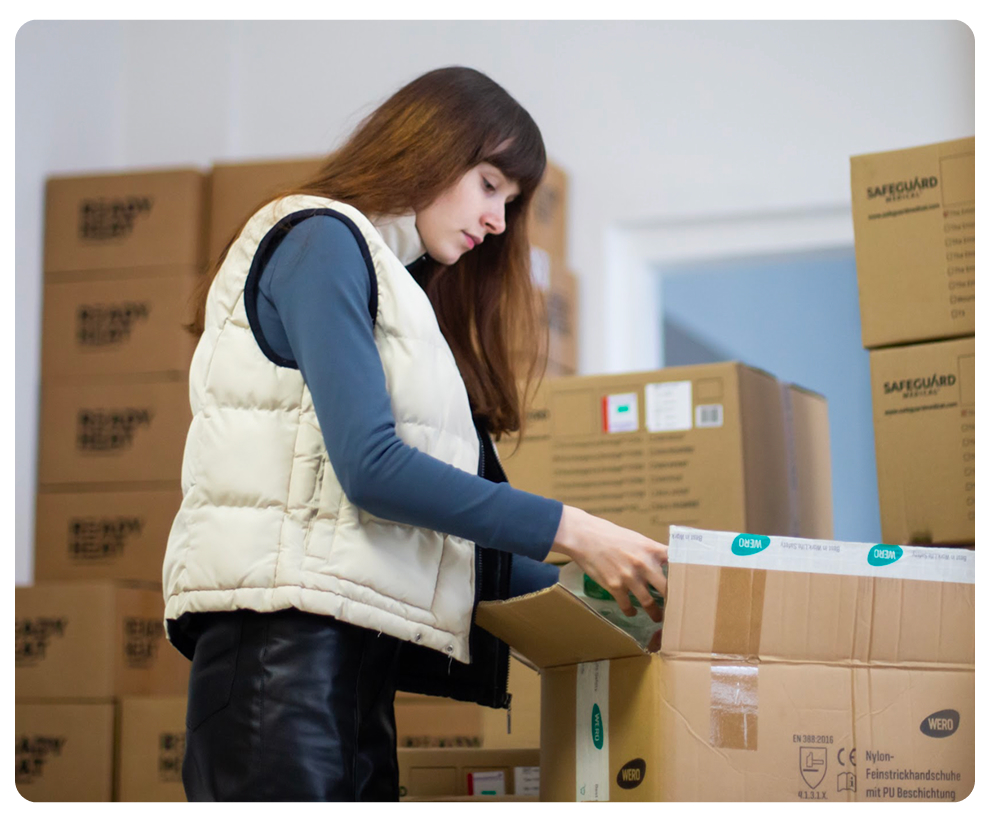
Alyona’s role gradually evolved: at first she ordered boxes and office supplies, sorted medical items, answered emails and phone calls. Later she joined the team processing requests and communicating with soldiers. She quickly proved she could also strengthen the communications department — her graphic design courses came in handy:
“When we launched our first team fundraisers, I offered to help with the visuals. Now that’s the lion’s share of my work: I create Leleka’s visual content, I shape its ‘face’ as a brand. The number of backpacks frontline medics somewhere in the Donetsk region receive depends on how I design a fundraiser.”
Today Alyona manages all of the foundation’s digital platforms: she creates designs, administers the website, communicates with partners. Since the team is small, she has to combine many skills and be ready to back up her colleagues at any moment.
The first big fundraiser
Alyona’s most vivid memory is the team’s first major campaign, “Side by Side” — three million hryvnias, and nine floors of an office building with the purchased medical backpacks laid out along the stairs.
“We were all so invested. We spent ages choosing the design, proofreading every detail. The whole team was part of the process.”
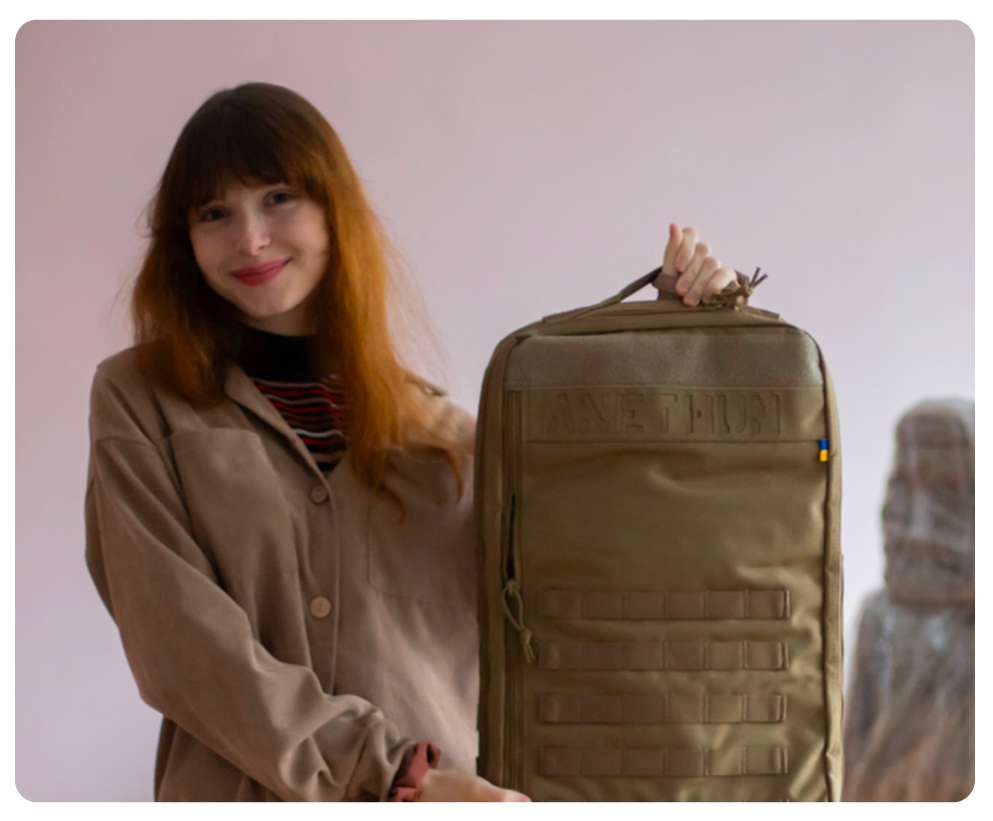
She remembers how deputy director Radyslav Kopan helped her arrange the backpacks for the photo report on the staircases of all nine floors.
“We wanted to show the scale — what we were able to purchase with the funds raised through ‘Side by Side.’ It still amazes me how everyone on the team is passionate about what they do, always ready to help.”
Losses
Despite all the joy of the results, there is something impossible to get used to — death.
“So many medics who came to our office, people we knew well. Such kind, sincere people… They told us so many stories… And these people are gone now. Soldiers we talked to on the phone, who sent us holiday greetings, who held our backpacks in their social media photos — they will never write again,” Alyona says, barely holding back tears.
“That’s my greatest fear — getting another message that a medic has been killed. It makes me want to work even harder, so that as many people as possible survive. Even though it doesn’t depend directly on us.”
More than just a job
Alyona’s main motivation is seeing the real impact of her work.
“When you hear from a soldier that our backpacks, our tactical medicine helped save a brother-in-arms on the front line — it’s the best feeling in the world. You realize you’re not just sitting at a computer in an office.”
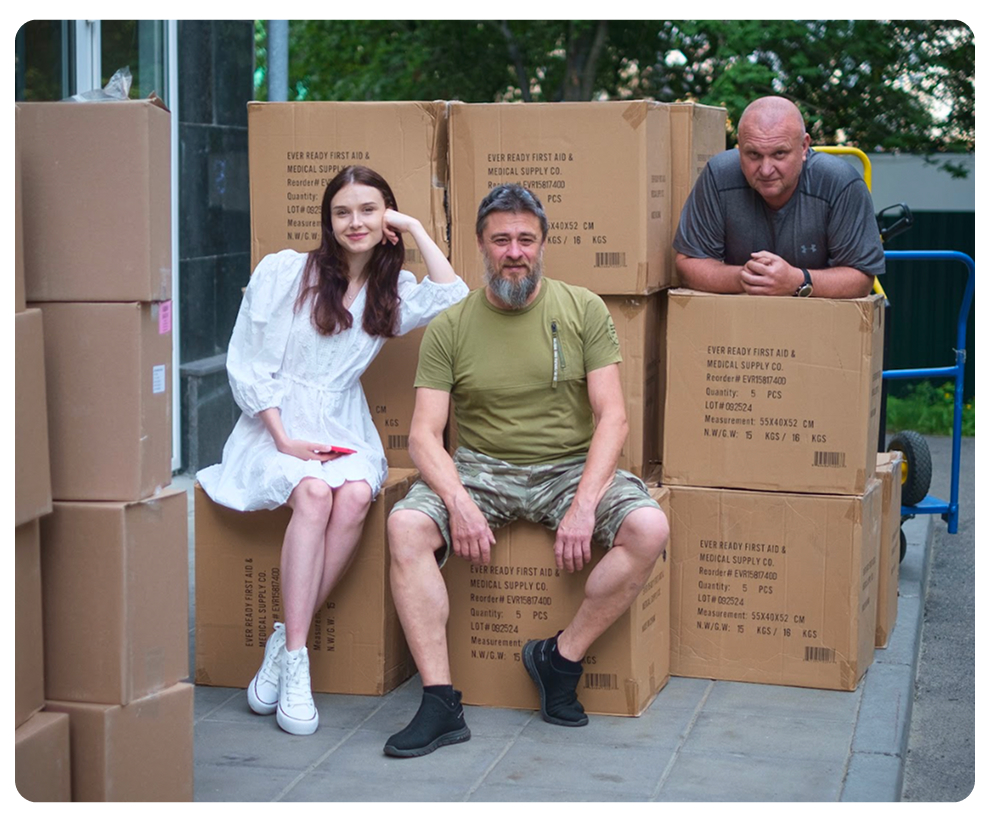
For Alyona, working at Leleka is a way of life. She often feels she could do more and do better. But she knows: with limited resources, the team is doing the maximum possible.
“I’m happy to be alongside my colleagues. Together, we live what we do. I feel one hundred percent in the right place,” she adds.